How to Budget Your Session: A Guide to Efficient Recording
In music production, budget management is a critical element that directly influences the creative quality of the final result. Especially with band recordings, where multiple participants are involved and equipment needs vary, entering a studio without a concrete plan often leads to budget shortfalls or unexpected costs. This guide provides a realistic breakdown of budget allocation and cost optimization strategies specifically for the studio environment in Yokohama.
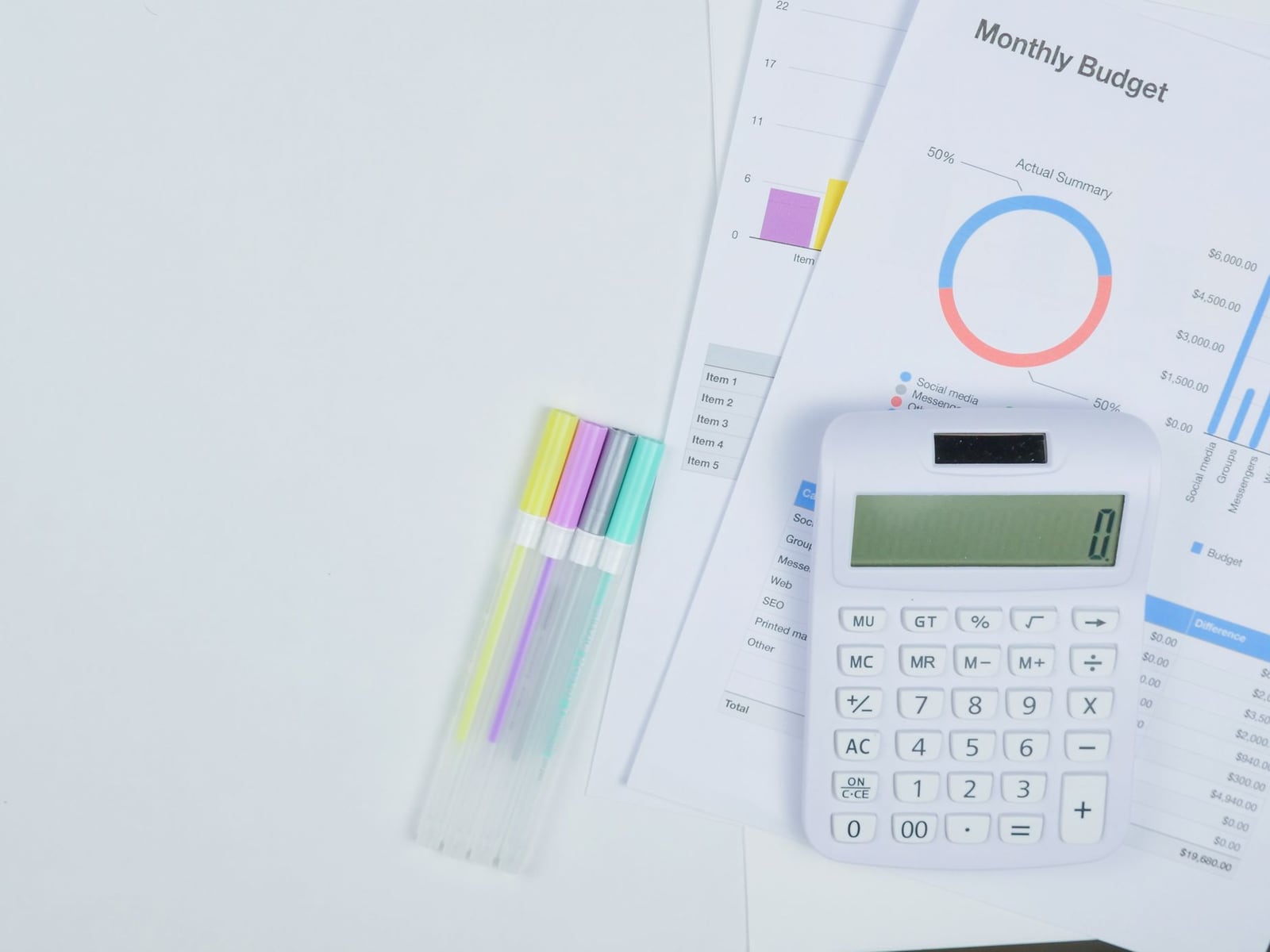
1. Understanding the Basic Structure of Studio Costs
When building a recording budget, the first thing to consider is the "hourly" cost. At Maravediflow, the base rate for Instrument & Band Recording is set at €99 (incl. VAT) per hour. However, for most bands, completing a professional recording within a short one or two-hour window is nearly impossible due to the time required for setup and sound-checking.
For more efficient budget management, we recommend considering the Full Day (8h) plan, priced at €715 (incl. VAT). Not only does this lower the effective hourly rate, but it also provides the psychological breathing room necessary to achieve high-quality takes without the stress of a ticking clock, ultimately reducing the cost of potential re-recordings.
2. Time Allocation and Integrating Buffers
The biggest budget killer is "studio indecision." Spending excessive time on instrument placement, microphone positioning, and monitor balance significantly reduces the actual recording time.
Your budget plan must include "buffer time." For example, if you plan 3 hours for one song, allocate 1 hour for preparation, 1.5 hours for the actual recording, and 0.5 hours as a reserve. By planning your time this way, you can handle unexpected technical issues or creative pivots without incurring additional hourly charges.
3. Local Cost Factors in Yokohama
Our studio is located in Naka-ku, near Nihon-odori, an area with excellent transport links making it easy for members to gather. However, when budgeting, you should account for incidental costs beyond the studio fee:
- Transportation: Travel costs for members using the Minatomirai Line or the Blue Line.
- Equipment Transport: Costs for transporting large amplifiers or custom drum kits from external locations.
- Catering: For long sessions, meals and hydration are essential to maintain focus and energy.
Ignoring these small expenses can lead to a significant discrepancy between your estimated project budget and the actual expenditure.
4. The Engineer's Role and Cost Performance
Budget efficiency is determined not just by the room you rent, but by how you utilize the engineer's expertise. Maravediflow engineers focus on finalizing the correct levels and tones during the recording stage, which drastically reduces the time needed during the mixing phase.
The mindset of "we will fix it in the mix" is a dangerous financial trap. If significant corrections are required during Mixing & Mastering (priced at €165 incl. VAT per track), the project will likely exceed its budget. Investing effort into a high-quality raw recording is the most economical choice in the long run.
Budget Planning Checklist
| Item | Verification Point | Budget Impact |
|---|---|---|
| Session Duration | Does it include setup and buffer time? | High |
| Plan Selection | Is the Full Day rate cheaper than hourly for this project? | Medium |
| Deposit | Is the 30% booking deposit ready for payment? | Low (Upfront) |
| Post-Production | Are Mixing & Mastering costs included? | High |
| Equipment List | Is there anything missing from the studio's inventory? | Medium |
5. Payment Terms and Risk Management
Payment cycles differ depending on the client type. For B2B contracts, Maravediflow requires payment within 14 days. For individual musicians, a 30% deposit is required at the time of booking; ensure this is factored into your immediate cash flow.
To prevent financial loss due to sudden schedule changes, review the cancellation policy. Cancellations are permitted up to 3 days before the session. Beyond this window, fees will apply. Managing this risk is an integral part of professional budget planning.
6. Summary and Next Steps
Creating a budget is not about limiting your musical freedom; it is about building a foundation that allows you to focus entirely on the creative process. With a clear financial and temporal map, you can maximize your studio time and achieve the professional sound you envision.
Once your budget is finalized, the next step is concrete recording preparation. Organizing your song structures and confirming equipment needs will further optimize your time at the studio.
For detailed recording plan consultations or bookings, please contact us via our contact page. To maximize your efficiency on the day of the session, refer to our Guide to Recording Preparation.
Detailed pricing for our recording services can be found on the Instrument & Band Recording page.